Last updated: September 2026
Visiting a Shinto shrine in Japan, you may find yourself wondering:
What if I get the etiquette wrong?
There is no need to overthink it.
Shrines do have traditional customs, but the most important thing is simple: treat the place, and the people around you, with respect.
This guide covers the basic etiquette you need to visit a shrine with confidence — without having to memorize a complicated rulebook.
Bow Lightly at the Torii Gate
At the entrance to a shrine, you will usually find a torii gate.
A torii is traditionally understood as marking the boundary between ordinary space and sacred space.
Because of this, many people bow lightly before passing through.
It is not a strict requirement. Think of it as a small gesture that says:
“I am entering a sacred place.”
When leaving, some visitors also turn back toward the shrine and give a brief bow after passing through the torii.
What If There Are Several Torii Gates?

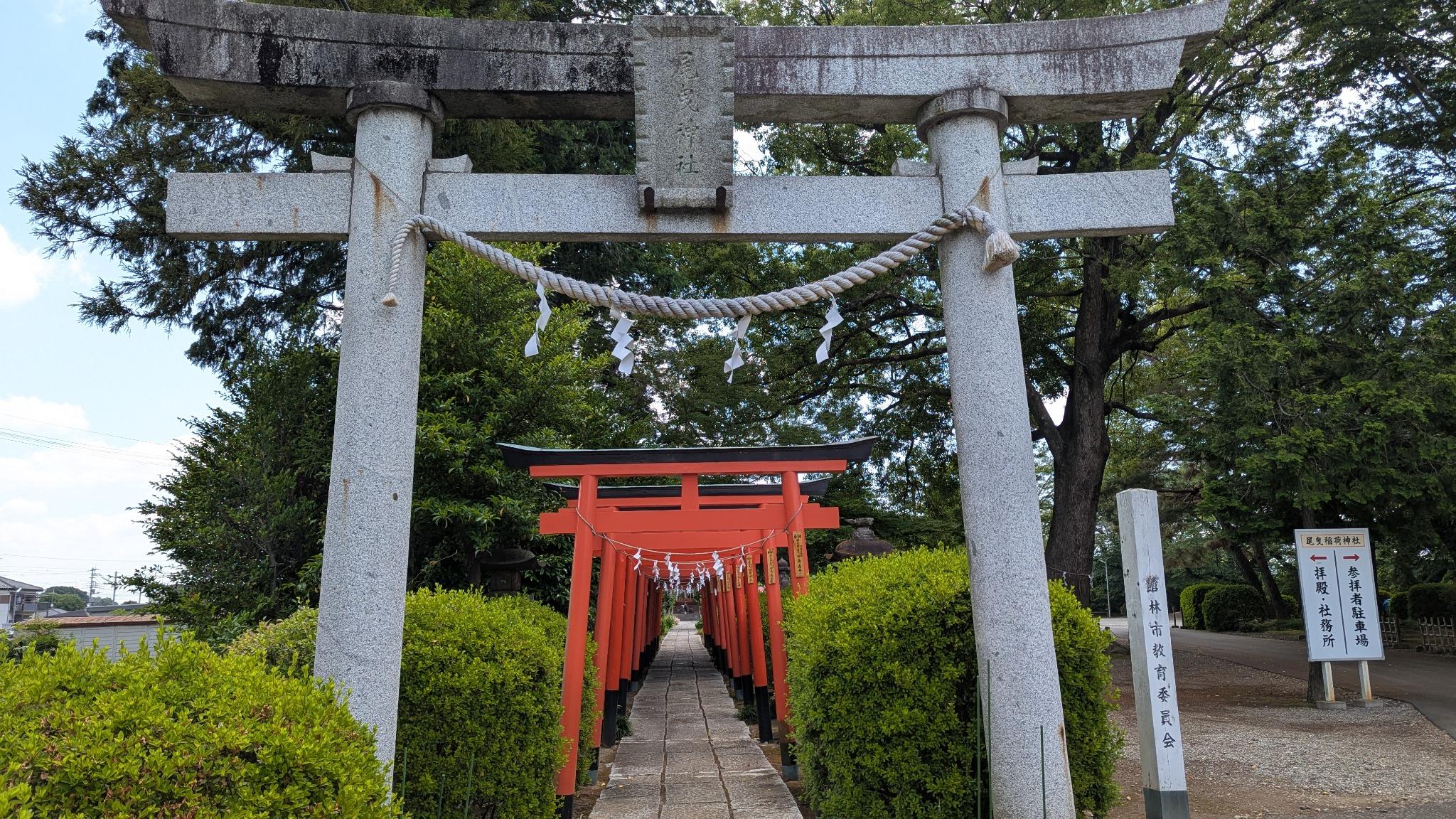
Rows of torii gates along a shrine approach.
Some shrines have many torii gates along the approach.
Inari shrines are particularly famous for this, with some having long rows of red torii.
You do not need to stop and bow at every gate.
Treat the first torii as the entrance into the shrine’s sacred space and bow there. After that, simply continue walking and avoid blocking other visitors.
Stay Slightly Off-Center on the Approach
The path leading from the torii toward the shrine is called the sando.
Traditionally, the center of the path is sometimes regarded as the route used by the kami, so visitors often walk slightly to one side.
But this is not something to become overly anxious about.
If the shrine is crowded, do not force yourself to the edge or get in other people’s way.
Being considerate of other visitors matters more than following the rule perfectly.
Purify Your Hands and Mouth at the Temizuya

A temizuya purification basin with ladles for rinsing the hands and mouth.
Many shrines have a purification basin called a temizuya somewhere along the approach.
It is used to cleanse your hands and mouth before praying.
A common traditional sequence is:
- Hold the ladle in your right hand and rinse your left hand.
- Switch the ladle to your left hand and rinse your right hand.
- Switch it back to your right hand, pour a little water into your left palm, and rinse your mouth.
- Rinse your left hand again.
- Finally, tilt the ladle so that the remaining water runs down the handle.
The most important rule is:
Never put your mouth directly on the ladle.
Today, some shrines use running water instead of ladles, while others simplify the purification process.
At smaller or unstaffed rural shrines, you may even find a temizuya with no water running at all.
If that happens, do not worry. Simply skip this step and continue to pray.
Use whatever facilities are available, and follow any instructions posted at the shrine.
Make an Offering
In front of the worship area, you will usually find an offering box called a saisen-bako.
Visitors place a small amount of money inside before praying.
There is no fixed amount.
A 5-yen coin is sometimes considered lucky because go-en, the Japanese pronunciation of “five yen,” sounds like a word meaning connection or good fortune in relationships.
But you do not need to use a 5-yen coin.
The amount matters far less than the intention behind the prayer.
The Basic Prayer: Two Bows, Two Claps, One Bow

A shrine worship hall, where visitors offer prayers.
At most Shinto shrines, the standard prayer follows this pattern:
Two bows, two claps, one bow.
- Make your offering.
- Bow deeply twice.
- Clap your hands twice.
- Bring your hands together and pray.
- Finish with one deep bow.
Some shrines follow a different custom, including a different number of claps.
If the shrine provides its own instructions, follow those instead.
What Should You Pray For?
There is no fixed prayer or script.
- Health
- Safe travel
- Work
- Study
- Love and marriage
- Family
- Business success
- Protection from misfortune
You also do not have to ask for anything.
Simply offering thanks is perfectly fine.
“Thank you for allowing me to arrive here safely.”
Some people think of shrine worship less as making a request and more as greeting the kami first.
Photography Is Not Allowed Everywhere
Shrines are often beautiful, and naturally many travelers want to take photos.
At many shrines, photography is allowed throughout much of the grounds. However, that does not mean you can photograph everything.
- Inside sacred buildings
- During prayers or rituals
- During ceremonies or festivals
- Around priests or other worshippers
If you see a “No Photography” sign, follow it.
And if you want to photograph someone from close range, it is polite to ask permission first.
Receive a Goshuin After You Pray
A goshuin is a shrine or temple seal, often accompanied by calligraphy, received as a record of your visit.
It is not simply a tourist stamp.
For that reason, the natural order is to pray first and request the goshuin afterward.
If you have a goshuin book, have it ready and open to the page you want.
It is also helpful to prepare the required payment in advance.
At busy shrines, pre-written goshuin may sometimes be offered instead of being written directly into your book.
Some Rural Shrines Are Unstaffed
Travel through rural Japan and you will eventually come across small shrines where no priest or staff member is present.
The shrine office may be closed, or there may be no office at all.
Sometimes you will find little more than the shrine buildings and an offering box.
This does not mean the shrine has been abandoned.
Many small shrines are maintained by the local community, while a priest may visit only for festivals or special ceremonies.
Even if no one is there, you can still pray quietly as usual.
If receiving a goshuin, omamori, or other item is an important part of your visit, check official information or local guidance beforehand.
Omamori and Ofuda Are More Than Souvenirs
Shrines may offer omamori protective amulets and ofuda talismans.
- Safe travel
- Health
- Academic success
- Love
- Protection from misfortune
Many are beautifully designed, but they are not simply decorative souvenirs.
They are connected with religious practice and blessing.
Understanding what they represent can make receiving one more meaningful.
What Should You Avoid?
You do not need specialist knowledge of Shinto to behave respectfully at a shrine.
- Being loud or disruptive
- Entering restricted areas
- Touching sacred objects or buildings without permission
- Taking photos where photography is prohibited
- Disturbing people who are praying
- Leaving food or trash behind
These are not complicated religious rules. They are basic forms of courtesy.
Respect Matters More Than Perfect Technique
After reading all of these steps, you may start worrying:
What if I do something in the wrong order?
What if I forget the two bows and two claps?
Here is the most important thing to remember:
You do not need to memorize every detail perfectly.
Many Japanese people do not remember every small rule either.
The goal is not to perform every movement flawlessly.
What matters much more is this:
Do not be loud.
Do not enter restricted areas.
Do not take photos where they are prohibited.
Do not interrupt someone else’s prayer.
Do not treat shrine buildings or sacred objects carelessly.
If you get the purification steps slightly wrong, or hesitate over the number of claps, that is not a serious problem.
If you are unsure, watch what other visitors are doing or follow the shrine’s own instructions. That is enough.
A shrine is not a test of etiquette.
If you remember only one thing, remember this: you are visiting a place that is important to someone.
Act with that in mind, and you will be fine.
Walk quietly. Take in the atmosphere. Pray in whatever way feels sincere to you.
That matters far more than performing every step perfectly.
Author’s Note
This guide describes etiquette commonly observed at Shinto shrines across Japan, including practices encountered at smaller and unstaffed rural shrines.
Customs can vary from one shrine to another. When local instructions are provided, those should always take priority over any general guide.
Japanese travel notes: More firsthand shrine visits and original Japanese-language articles are available on note.