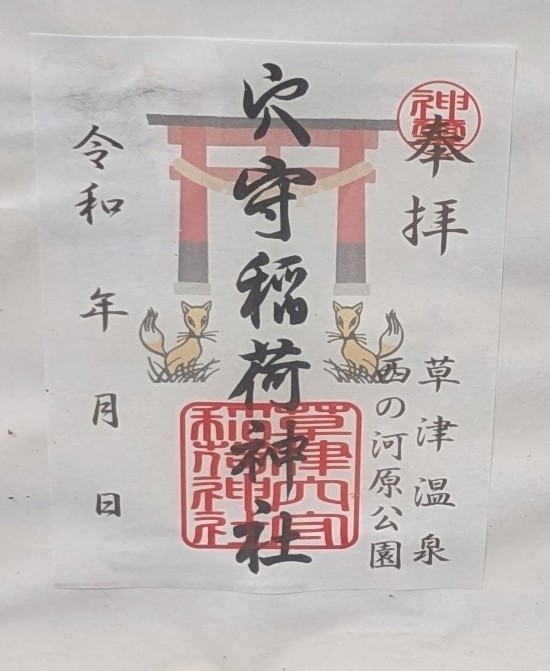
Last updated: September 2026
Visit shrines and temples in Japan and you’ll likely come across a beautiful sheet of paper marked with ink calligraphy and a bold red seal.
That’s a goshuin.
A goshuin is received as a record that you’ve visited and paid your respects at a shrine or temple. With their striking visual designs, they can look to travelers like collectible stamps or souvenirs — but a goshuin isn’t really either of those things. It’s better understood as a record of having visited and prayed at that particular place, and a small piece of the memory of your trip.
What’s Actually on a Goshuin?
Designs vary by shrine and temple, but a goshuin typically includes:
- The name of the shrine or temple
- The date of your visit
- A red seal (or several)
- Hand-brushed calligraphy
- A symbol or motif connected to that specific place
Some shrines incorporate a torii gate, a fox (common at Inari shrines), seasonal flowers, or local motifs into the design. In recent years, colorful goshuin and even paper-cut (kirie) goshuin have become increasingly common.
Whatever the design, the core purpose stays the same: it’s a record of your visit.
Shrines and Temples Both Offer Goshuin
Goshuin aren’t exclusive to shrines — you can receive one at temples as well.
Shrines and temples come from different religious traditions, but the goshuin itself often looks similar at both: ink calligraphy combined with a red seal. Because of this, you can’t use "does this place offer goshuin" as a way to tell whether you’re at a shrine or a temple — that clue simply doesn’t work.
What Is a Goshuincho?
A dedicated book for collecting goshuin is called a goshuincho. Most use an accordion-fold format and can be purchased at the shrine or temple office where goshuin are issued.
Designs vary widely:
- Shrine-original designs
- Temple-original designs
- Seasonal or limited editions
- Designs tied to a specific region or cultural theme
If you’re starting your first goshuincho, picking one up at the first shrine or temple you visit — choosing a design you genuinely like — is part of the fun.
Browse goshuincho on Amazon Japan
The Basic Order: Pray First, Then Receive Your Goshuin
The rule to remember is simple:
Pray → Goshuin.
Rather than heading straight for the goshuin, it’s customary to pray first and visit the goshuin office afterward. At busy, well-known shrines and temples, there may be a specific process in place for requesting one — if so, follow the on-site instructions.
Where Do You Actually Get One?
Goshuin are usually issued at the same counter where omamori and omikuji are available.
At shrines, this is typically called the juyosho or shamusho. At temples, it’s usually the jimusho or nokyosho.
If you’re not sure where to go, a useful shortcut: look for wherever omamori are available — that’s usually the same place.
Larger shrines and temples often have a dedicated goshuin counter. Smaller ones may have no dedicated counter at all.
Two Ways to Receive One: Written On the Spot, or Pre-Written
Written on the spot (jikigaki)
The goshuin is brushed directly into your goshuincho while you wait. You can often watch the calligraphy being written in real time — one of the more memorable parts of the goshuin tradition for many visitors.
Pre-written (kakioki)
A goshuin already written on a separate sheet of paper, which you then paste into your own goshuincho later. This is common at smaller shrines, for specially designed goshuin, or for limited-time releases — including designs featuring motifs like a torii gate or a fox.

A pre-written (kakioki) goshuin featuring a torii gate and fox motifs.
How Much Does a Goshuin Cost?
You’ll pay a small fee when receiving a goshuin — referred to as hatsuho-ryo at shrines, and often nokyo-ryo or simply a donation at temples. The different terms reflect the different religious traditions behind them.
As a general guide, a standard goshuin runs around ¥300–500. Specially designed goshuin — colorful editions, paper-cut (kirie) designs, seasonal or limited releases — can run closer to ¥1,000 or more.
Pricing is set individually by each shrine or temple, so check the amount posted at the counter. Many smaller sites are cash-only, so it’s worth carrying some ¥100 and ¥500 coins along with a ¥1,000 note.
Limited-Edition Goshuin
Some shrines and temples release goshuin tied to a season, a festival, a specific month, or a special event.
For travelers, these can double as a memento of exactly when you visited. Recent years have seen an increase in especially eye-catching versions — vividly colored designs, intricate paper-cut work, and more.
That said, it’s worth keeping the priority in order: pray first, then receive the goshuin — rather than treating the limited edition itself as the goal. Keeping that order helps the tradition stay meaningful rather than becoming just a hunt for rare designs.
Some Rural Shrines Don’t Offer Goshuin at All
Small shrines in rural areas often have no resident priest, which means a goshuin may not be available on-site.
Some of these shrines handle it differently instead:
- Goshuin are issued at a different, associated shrine
- The priest handles requests from their home
- Goshuin are only available on specific days
- Only pre-written (kakioki) versions are left on-site
If collecting goshuin is a priority for your visit — especially at smaller rural shrines — it’s worth checking the official website or local visitor information beforehand.
Should You Use Separate Goshuincho for Shrines and Temples?
This is one of the most common questions among people just starting to collect goshuin.
In practice, some people use a single goshuincho for both shrines and temples. Others keep them separate. There’s no single nationwide rule requiring one or the other.
That said, a small number of shrines and temples will decline to write in a goshuincho that already contains goshuin from the other tradition. If that’s a concern, keeping a separate book for shrines and one for temples is the safer approach — though for a first trip, it’s not something worth stressing over.
Goshuin Etiquette
None of this requires overthinking. The basics:
- Pray first
- Open your goshuincho to the page you want and hand it over
- Have the fee ready in advance
- Don’t rush the person writing it
- Keep your voice down while it’s being written
- Say thank you when you receive it
As with everything else in this series: respect matters more than getting every detail perfect.
A Goshuin Becomes a Record of Your Trip
The appeal of a goshuin isn’t just visual. Flip back through a filled goshuincho later and it holds onto something photos don’t quite capture in the same way: where you went, when you went, and what the trip actually felt like.
For a first trip to Japan, carrying a single goshuincho along the way is one of the more engaging ways to experience the culture firsthand.
What’s Worth Remembering
Two things cover the essentials:
- A goshuin is a record of having visited and prayed — not a souvenir stamp.
- If you’re not sure where to ask for one, look for the counter where omamori are available — it’s almost always the same place.
Enjoy the collecting, but keep half an eye on the place itself. Do that, and a goshuin stops being just a piece of paper — it becomes part of the record of the trip itself.
Author’s Note
This guide reflects goshuin practices commonly observed across shrines and temples in Japan, including variations encountered at smaller, unstaffed rural shrines. Pricing, availability, and procedures can vary by location — always defer to on-site signage or official information where available.
Japanese travel notes: More firsthand shrine visits and original Japanese-language articles are available on note.